
Flowers and Vegetables for Summer
Showing all 28 results
-

Romanesco Broccoli – 1.5 g Seeds
€1.60 -

White Cabbage 5 g Seeds
€1.60 -

Butternut Squash Bell (Cucurbita moschata) Seeds 1.2 g
€1.60 -
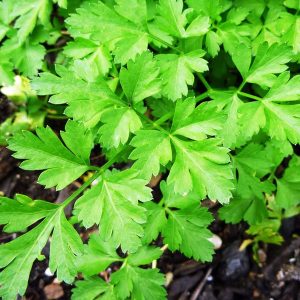
Giant Parsley 10 g Seed Packet
€1.60 -

Saltwort (Agretti) 1 g Seeds
€1.60 -

White Cauliflower 0.5 g Seeds
€1.60 -
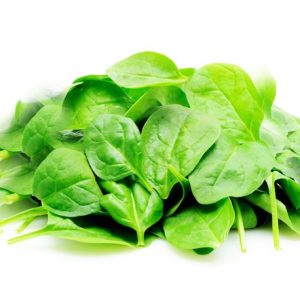
Giant Broadleaf Spinach Seeds – 15 g
€1.60 -
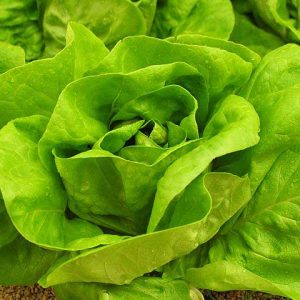
Lettuce 2 g Seeds
€1.60 -
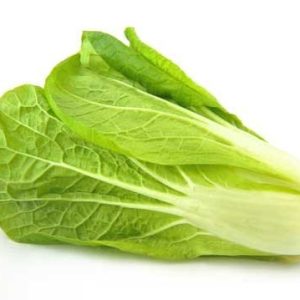
Summer Romaine Lettuce 2 g
€1.20 -

Broccoli 1 g – Broccoli Seeds – A True Kitchen Favourite!
€1.60 -
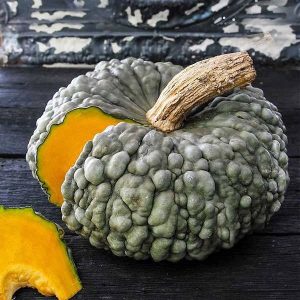
Italian Pumpkin Marina di Chioggia Heirloom Seeds 4.5 g
€1.80 -

Broccoli Marathon F1 Sakata 60 Seeds
€2.50 -

Brussels Sprouts Mezzo Nano 2 g Seeds
€1.60 -

Forget-Me-Not 0.2g Seed Packet
€1.60 -
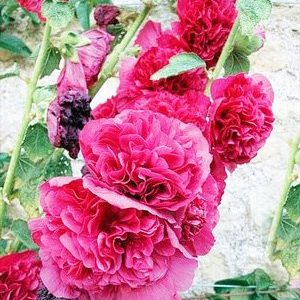
Hollyhock 0.30g Seed Packet
€1.60 -

Round Courgette – 2 g Seeds
€1.60 -
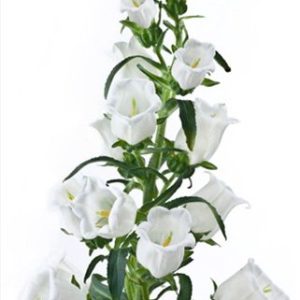
Campanula Mixed Colours 0.50g Seeds
€1.90 -

Long Cucumber F1 (Cucumis sativus) 0.6 g Cucumber Seeds
€1.60 -

Endive 10 g Seeds
€1.60 -
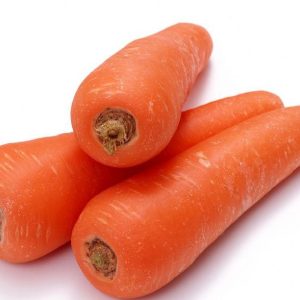
Giant Carrot, 5 g Seeds
€1.60 -

Giant Radish (Giant Butter) – 10 g Seeds
€1.60 -
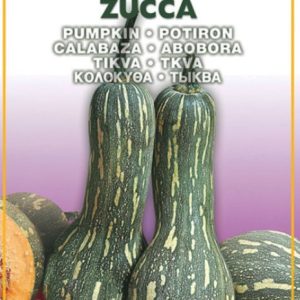
Long Green Naples Squash – 1 g Seed Packet
€1.60 -

Pumpkin (Cucurbita maxima) Seeds 3 g
€1.60 -

Pink Pampas Grass (Cortaderia selloana pink) – 0.1g Seeds
€5.00 -
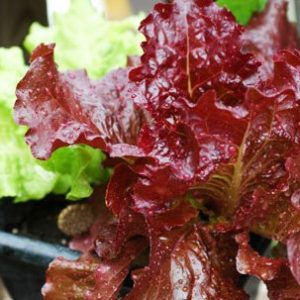
Red Curly Lettuce – 3 g Seed Packet
€1.60 -

Giant Pansy Mixed Colours! 0.15g Seeds
€1.60 -

Mimosa pudica 0.5 g Seeds / The Plant That Moves! (Sensitive Plant)
€1.60 -
 Out of stock
Charentais Melon Cucumis melo – 3 g Seeds
€1.65
Which Flowers Should I Plant in Summer?
Flowers to plant in summer.
Many of our customers ask us: “Which Flowers Should I Plant in Summer?”
We created this guide to help growers choose the right vegetables, flowers and perennial trees to plant in summer, from June to August. Just because summer has arrived doesn't mean you can't plant beautiful flowers to bloom in the coming months. On the contrary, you can plant anything you like from the list of plants, trees and flowers below. It is also the best season to sow all your perennial trees and bonsai! Why? Quite simply because it has the warmth seeds need to germinate very easily, just by watering them.
In summer (June, July and August) you can plant the following vegetables:
cucumber, carrot, pumpkins, cauliflower, onion, cabbage, lettuce, broccoli, beetroot, spinach, dried beans and green beans, endives, parsley, radishes.
You will find all of the above in our vegetable seeds category. Click here to see which vegetables you can plant in summer.
Besides vegetables, you can also plant plenty of ornamental flowers, such as the following:
All kinds of violas, stocks (Matthiola), violets, hollyhocks, mimosa, campanula, forget-me-nots (Myosotis) and pansies.
You will find all of the above in our ornamental plants category. Click here to see which flowers and ornamental plants you can plant in summer
What to plant in June, July and August. What to sow in the summer months.
If you think you have missed the planting season, do not worry – in this article you will find everything you need to keep planting through the summer and fill your balcony and garden with ornamentals and vegetables.
WHAT TO PLANT IN SUMMER
In Greece, summer covers June, July and August, although in eastern Greece it starts earlier. Temperatures are very high and the air is dry, but it is also the season with the least changeable weather. It rarely rains, and when it does the showers are short and heavy. In summer the days are longer and the sunshine encourages plants to flower and fruit, while the hot, dry weather helps seeds to germinate and grow.
Summer offers a wide choice of ornamental plants to refresh your own space, large or small, with your own splashes of colour, combining pots of different sizes and shapes, and above all with great ease! Summer weather, especially towards its end, is ideal for sowing many vegetables such as brassicas (cabbage, cauliflower, broccoli) and other crops like lettuce, spinach, beetroot and more. At the end of summer the harvest begins, and many shrubs, trees and other plants ripen.
Which Vegetables Do We Plant in Summer?
Below are some of the main summer vegetable crops and their characteristics. Of course, there are many more plants you can grow in summer; if you would like more suggestions, contact us.
Cabbage
Cabbage can be grown both in the garden and in pots, starting from late summer. The leaves are eaten fresh in salads or cooked in delicious recipes. As well as tasting great, cabbage is very nutritious, rich in vitamins, antioxidants and fibre.
Cucumbers
Cucumber is one of the most popular summer vegetables. Cucumbers are 95% water and contain vitamins, antioxidants and fibre. They are very hydrating and very low in calories. You can easily grow cucumbers in a pot on your balcony too; choose a west- or east-facing spot for better growth and fruiting.
Pumpkin
Pumpkins are very nutritious, containing minerals such as potassium, calcium, copper and phosphorus. They are a very good source of vitamins A, C and E, folate, niacin and vitamin B6. Sweet pumpkin contains even more antioxidants. As well as the flesh, pumpkin seeds are very nutritious too, providing protein and minerals such as zinc.
Cauliflower
Cauliflower is very nutritious. It is high in vitamin C and is also a source of calcium, magnesium, phosphorus and potassium. It can be eaten raw or cooked in many ways (boiled, pickled, steamed). If you have limited space or grow in raised beds, cauliflower can be grown alongside onions, potatoes, celery, dill and lettuce.
Broccoli
Broccoli has its roots in Italy. Because it is made up of different parts, it offers a variety of flavours and textures. Broccoli is very nutritious, rich in vitamin C, calcium, magnesium, potassium, antioxidants and fibre. It is also low in calories, which makes it especially popular in healthy eating plans.
Beetroot
Beetroot is considered one of nature's most valuable gifts. It is grown mainly for its crunchy, fleshy root that develops underground, but also for its leaves, which are just as tasty and wholesome. It is very nutritious, providing plenty of nutrients such as folate, potassium, manganese, iron and vitamin C, and is also very hydrating, as its water content reaches 88%. It is an excellent choice for juicing, so you can enjoy the nutrients that are lost in cooking.
Spinach
Spinach is a leafy vegetable grown for its leaves. Although it is mainly grown in autumn, there are spinach varieties that thrive in spring and summer. It is an excellent source of B vitamins such as riboflavin and folate.
Endive
Endive is related to chicory and includes varieties such as curly endive (frisée) with narrow leaves, escarole with broad leaves and a white heart, Sugarloaf chicory which looks like lettuce but has tougher, more bitter leaves, radicchio with red leaves, and Belgian endive, also known as witloof. Nutritionally, endive is one of the vegetables richest in vitamin A, and is also a good source of vitamin C, calcium, iron, phosphorus, potassium, fibre and carotene.
Dried Beans and Green Beans
Beans are among the most popular summer vegetables. They thrive in the warm months of the year and cannot tolerate frost. Green beans can be eaten in salads and in many favourite recipes, while other varieties are grown for dried beans. Beans are an important source of protein and vitamins (thiamine, riboflavin, niacin, vitamin B6 and folate). They are also rich in antioxidants and minerals such as calcium, iron and potassium, very low in sodium and almost cholesterol-free.
Which Flowers Do We Plant in Summer?
Here are some favourite flowers for summer sowing that make fantastic combinations. As with vegetables, there are many more ornamentals you can grow in summer. If you would like an extra suggestion, please contact us!
Forget-me-not (Myosotis sylvatica)
This plant grows all over Europe in meadows, clearings and woodland edges, preferably at high altitudes. Its seeds are ideally sown from June to September, preferably in partial shade. It is grown mainly as an ornamental, and from March to June we enjoy its small blue flowers!
Campanula
They suit every kind of garden and balcony, and their flowers look like little bells in various colours such as purple, pink and white. They are sown from August, love the sun and prefer well-draining soil.
Mimosa (Sensitive Plant)
Mimosa pudica is fascinating, as it proves that plants can feel! From its very first tiny leaves you will see the plant move when you water it and the water touches it! Sow its seeds until June and enjoy its flowers from July to September!
Violet
The viola loves warmth, humidity and still air. It is very hardy and can even grow in coastal areas. You can choose viola varieties with single or double flowers for the garden or for pots on the balcony. Violas flower continuously for a long period, from early spring to early autumn.
Stock (Matthiola)
A plant found all over Greece, as it has become very widely grown, and rightly so, since it promises abundant, fragrant flowers from very easy cultivation!