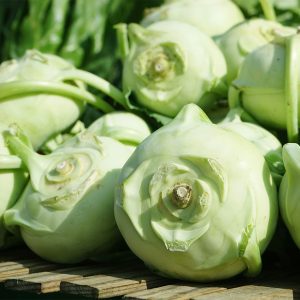
White Cabbage 5 g Seeds
€1.60
In stock
Brassica oleracea L.var gemmifera
Cabbage has been valued since antiquity, when every part of the plant was put to use.
Today cabbage remains a staple on the table, especially in winter, and can be eaten raw or cooked – in Greek cabbage salad with lemon and olive oil, in stuffed cabbage leaves (lahanodolmades) and in many winter dishes.
Cabbage contains vitamin A, vitamin C, folate, phosphorus, sulphur, potassium, sodium, magnesium and manganese.
For best results, combine with one of our fertilisers (use once a month after the first month from planting).
Germination and growing instructions for White Cabbage are included.
Vegetables such as peppers, cucumbers and cabbages are plants grown to be eaten. They are often eaten raw, but can also be used in countless cooked recipes – boiled, roasted, steamed and more.
Vegetables have a high water content and are low in protein. They are usually green, but also come in other colours such as yellow and red. They contain very little fat, a little protein, more carbohydrates and plenty of water – sometimes more than 70%. The green colour of most vegetables comes from pigments such as chlorophyll. Their nutrient content depends on many factors, such as the soil and climatic conditions like humidity and sunshine. Vegetables can be eaten raw in salads, cooked with meals, as snacks and even in sweet treats such as pumpkin pie and carrot cake.
In stock