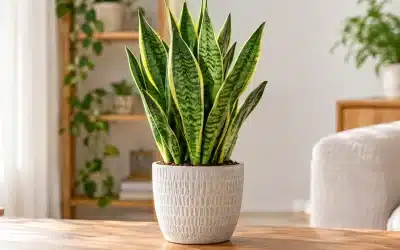
The dragon fruit, also known as pitaya or pitahaya, is a striking climbing cactus that can be grown in a pot. Its fleshy, triangular stems have a distinctive look and, with the right care, the plant can become a standout feature on a balcony, in a courtyard or in a greenhouse.
Growing dragon fruit from seed is a gradual process, as the plants grow slowly at first and take time to mature. Even so, watching the seeds sprout is enjoyable and suitable even for beginners, as long as you provide warmth, light, good drainage and careful watering.
What dragon fruit is and what it needs to grow
Pitaya belongs to the epiphytic cacti. Unlike desert cacti, it does not thrive in bone-dry soil and relentless, scorching sun. In nature it climbs on trunks or supports, so in a pot it needs sturdy support as it grows.
The plant loves:
- warm temperatures and protection from frost,
- a very bright position with gradual exposure to sun,
- an airy, well-draining potting mix,
- moderate watering, with no water left in the saucer,
- room for its stems and roots to grow.
In the mildest parts of Greece, such as coastal areas of Crete, the Dodecanese, the southern Peloponnese and some islands, it can spend much of the year outdoors. On the Greek mainland, in Macedonia, Thessaly and in mountainous or hilly areas, it definitely needs protection when temperatures drop.
Sowing dragon fruit: when and how
The seed-sowing route is the most economical way to start, but it takes time. For the best results, use quality pitaya dragon fruit seeds and sow when you can maintain steady warmth.
The right time to sow in Greece
In most areas, the best period is from mid-spring to early summer. The days are brighter then and temperatures favour germination.
- Southern Greece and the islands: sowing can start earlier in spring, as long as night-time temperatures are consistently mild.
- Attica, the Peloponnese and coastal areas: April to June is usually a practical window for sowing in a sheltered spot.
- Northern and mountainous Greece: sow from May to June, or grow indoors with plenty of natural light.
If you have a heated space or a heat mat for seed trays, you can sow earlier. Without a steady temperature, however, the seeds may take a long time to sprout or may rot.
Preparing the pot and potting mix
For sowing, start with a shallow seed tray or small pots with drainage holes. A large pot is not needed at first, because a small root system is easier to keep at a controlled moisture level.
A good mix should hold a little moisture without becoming heavy and muddy. You can use an airy seed-sowing compost and add perlite or coarse sand for better drainage. Avoid plain garden soil, especially if it is clayey and compacts easily.
Steps for successful sowing
- Fill the seed tray with slightly damp mix.
- Scatter the tiny seeds over the surface.
- Cover them barely with a very thin layer of mix, or simply press them in gently.
- Mist with water so the soil gets wet without moving the seeds.
- Place the container in a bright spot, out of strong midday sun.
- Keep the mix slightly moist, but never constantly soaked.
In favourable conditions, the first seedlings can appear within a few weeks. Germination time depends on temperature, the freshness of the seeds and how steady the moisture is.
Light and temperature for healthy seedlings
Young dragon fruit plants need plenty of indirect light. A very dark spot will make them thin, weak and prone to problems. On the other hand, strong summer sun, especially behind glass or on a south-facing balcony, can dry them out or scorch them.
At first, choose a bright position protected from the harshest midday hours. Once the plants have grown and hardened off, you can gradually accustom them to more sun. Moving them suddenly from shade to full exposure is a common mistake.
Pitaya grows best in a warm environment. When temperatures drop noticeably, growth slows down. Frost is dangerous for the stems and can cause permanent damage. In winter, move the pots to a bright, sheltered place before the first really cold nights arrive.
Watering: getting the balance right
Although it is a cactus, dragon fruit in a pot does not like prolonged drought, especially during active growth. At the same time, its roots cannot tolerate standing water. The right balance is key.
Water when the top of the soil dries out, before the whole mix dries completely. In spring and summer, especially in small pots or in areas with dry winds, you will need to check more often. In winter, when growth slows, cut back watering considerably.
Watch out especially for the following signs:
- Soft or dark stems: may indicate excess moisture or a root problem.
- Shrivelled stems: often show that the plant has gone too long without water.
- Yellowing and weak growth: may be linked to poor drainage, low light or watering too often.
Always empty the saucer after watering. The pot must have holes in its base, however pretty the cover pot you use.
Transplanting young plants
The transplanting is done once the young plants have reached a good size, have firm stems and can be handled carefully without damage. Do not rush to move them into a very large pot: too much soil holds moisture for longer and increases the risk of rot.
Choose a pot slightly larger than the root system, with good drainage. A cactus and succulent mix, enriched with some organic matter as well as lightening materials such as perlite, is a practical solution.
The best time to transplant is spring or early summer, when the plant has several months of warm growth ahead. In cold areas, avoid transplanting late in autumn, as the plant will not have time to settle before the cold.
Bulb planting: does it apply to pitaya?
Pitaya is not grown from bulbs, so there is no bulb planting process for dragon fruit. You can start from seed or from cuttings taken from a mature plant. Cuttings usually produce a large plant more quickly, while sowing seeds gives you the pleasure of growing it from the very beginning.
Supporting and training the plant
As dragon fruit grows, it will need support. A sturdy stake, a post wrapped in suitable material or a firm trellis can help the stems grow upright.
Put the support in place early, ideally at transplanting, so that you do not damage the roots later. Tie the stems loosely with soft tying material. Do not tie them tightly, as they may be damaged as they grow.
When the plant reaches the top of the support, the stems can hang down. This form makes the plant easier to manage in a pot and creates a striking look. Remove only stems that are damaged, diseased or too dense.
Feeding and seasonal care
During active growth, from spring to the end of summer, you can add fertiliser in moderation. Choose a balanced fertiliser suitable for potted plants and always follow the instructions on the packet. Overfeeding does not necessarily speed up growth and can stress the plant.
In the hottest months, check soil moisture often and protect the pot from very intense afternoon sun, especially in areas prone to heatwaves. In autumn, gradually reduce feeding and watering. In winter, the priority is protection from cold and avoiding excess moisture.
When will it bear fruit?
A dragon fruit started from seed takes several years to mature and reach flowering. How long depends on the variety, growing conditions, temperature, light and the plant's overall health. So it is best to enjoy pitaya at first as an interesting ornamental climber.
For fruit to form, the plants must be mature and the flowers successfully pollinated. In some cases hand pollination may be needed, especially when the plant is grown indoors or in a sheltered space without enough insects.
If you are wondering how to eat dragon fruit, when ripe it is cut in half and the soft flesh is scooped out with a spoon. It has a mild, refreshing taste, and the tiny seeds are eaten as normal.
For more information about pitahaya, see the related page and plan the first steps of your growing more effectively.
Common mistakes when growing dragon fruit
- Overwatering: the most common problem, especially in heavy soils and pots without drainage.
- Lack of light: leads to weak, stretched stems.
- Sudden exposure to scorching sun: can scorch young stems.
- Exposure to frost: pitaya is not a plant to leave unprotected outdoors in areas with harsh winters.
- No support: the stems may bend, get damaged or grow untidily.
- Rushing for fruit: plants grown from seed need time, consistent care and suitable conditions.
Dragon fruit growing FAQ
How quickly do dragon fruit seeds sprout?
With warmth, light and steady light moisture, the seeds can sprout within a few weeks. The exact time varies with conditions and seed quality.
Can dragon fruit stay outdoors all year round?
Only in very mild, sheltered areas with no risk of frost. In most parts of Greece it is safer to protect it or move it to a bright indoor space in winter.
What size pot does pitaya need?
Start with a small container for seedlings and pot on gradually. A mature plant needs a stable, fairly large pot that can hold both the root system and the support.
Does the plant need a lot of sun?
It needs plenty of light, but young plants need to be gradually acclimatised to direct sun. In areas with very hot summers, light shade at midday can be helpful.
Can I grow dragon fruit on a balcony?
Yes, as long as the balcony is bright, there is room for a large pot and a vertical support, and you can protect the plant from winter cold.