
Cactus Seeds
Showing all 20 results
-
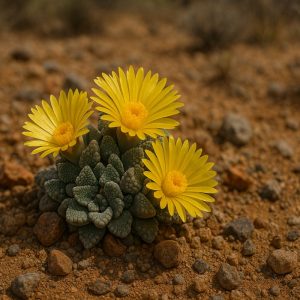
Succulent “Titanopsis Calcarea” – 50 Seeds
€4.80 -

Succulent (Pachypodium geayi) – 10 Seeds
€4.20 -

Crassula Succulent Bonsai – 100 Seeds
€4.20 -

Fytopan Cactus Fertiliser 300ml
€4.20 -

Cactus “Saguaro Giant” – 30 Seeds
€4.20 -
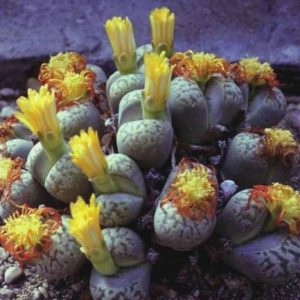
Lithops / Living Stones – 50 Seeds
€4.50 -

Succulent “Tiger Jaws” (Faucaria tigrina) – 20 Seeds
€4.20 -

Cactus “Queen of the Night” (Selenicereus grandiflorus) – 50 Seeds
€4.20 -
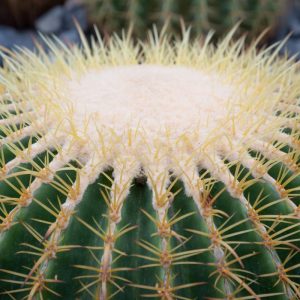
Cactus “Echinocactus Grusonii” – Golden Barrel Cactus – 10 Seeds
€4.80 -

Dragon Fruit “Yellow Dragon Fruit” – Pitaya 20 Seeds
€4.20 -

Crassula Succulent – 100 Seeds
€4.20 -

Cactus “Astrophytum Myriostigma” – 20 Seeds
€4.80 -
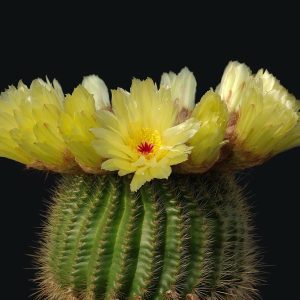
Cactus “Notocactus Leninghausii” – 30 Seeds
€4.80 -
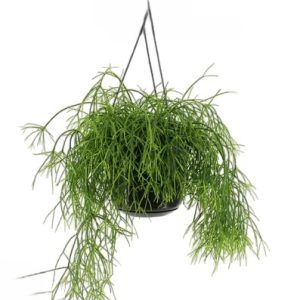
Coral Cactus / Succulent – 30 Seeds
€4.20 -

Cactus Mix – 0.20g Seeds
€1.60 -

Cactus “Echinopsis Mix” – 50 Seeds
€4.20 -

Prickly Pear / Opuntia Mix – 35 Seeds
€4.20 -

Cactus “Cereus peruvianus Monstrosus” / Peruvian Apple Cactus – 30 Seeds
€4.20 -

Lithops – 30 Seeds
€4.90 -

Pitaya Exotic Dragon Fruit! 6 Seeds
€3.90
Cacti, cactus seeds, succulents, Lithops and more. Cacti belong to the Cactaceae family. They originally come from the Americas, from southern Canada to Patagonia, while a few species are also found in Africa. Today cacti have spread all over the world as ornamental plants. The term succulent comes from the fact that these plants, like cacti, develop thick, fleshy tissues that store water, as they come from dry regions.
Plants impress wherever you see them – especially when they brighten up a corner of our home. But most of them need care, and busy everyday lives mean we sometimes neglect them until they dry out. Most of them – but not all! Cacti and succulents are wonderfully low-maintenance plants that suit experienced growers but are also ideal for new gardeners. They are hardy plants that can brighten up the garden, the balcony and the inside of our home with very little care. Most people hear the word “cactus” and think of a green, spiny plant. What they don’t know is that there are also strange cacti with special features – with flowers, edible fruit and such striking shapes and colours that you won’t believe they are real, such as Lithops!
Why are cacti and succulents ideal for decoration?
If you love greenery but struggle to look after indoor plants, think succulents. Succulents and cacti are ideal for decorating gardens and balconies as well as interiors, as they brighten up your space with very little care. There are many kinds of cacti to choose from. Decorators love them – and rightly so – as they can grow in cachepots, urns, even glass bowls or jars, creating an exotic look that lasts for years!
Which cacti will you find at flowerstore?
In our shop you will find many striking cacti and succulents to decorate your space and impress with their unique features!
Lithops
Lithops are succulents that look just like little pebbles. It is amazing that they are living plants – most people who see them think they are real stones! They come in lovely colours, and beautiful flowers emerge from the split in each “pebble”. You can choose either mixed Lithops seeds to start your own collection from scratch, or ready-grown Lithops in a pot!
The largest cactus in the world! Its fruit is edible and hard to find in shops, as it is very expensive. White and yellow flowers open at night from April to June, and the sweet ruby-red fruit ripens from late June.
Pitaya, or dragon fruit, is one of the most beautiful exotic fruits! It is a member of the cactus family that is very easy to grow from seed. It has striking, fragrant flowers that open at night until morning; they are edible and often used for tea. The fruit is highly nutritious, rich in vitamins A, B1, B2, B3 and C, calcium, iron, phosphorus, protein and fibre. It features in many recipes and can even be made into drinks. Its flavour is mildly sweet and it is very low in calories.
The most common pitaya has red skin and white flesh. There is also red pitaya with red flesh, and a yellow-skinned variety with white flesh. For those who already know and love its flavour, the giant red pitaya – each fruit the size of your palm – is ideal!
Prickly pear seeds can give you a perennial, exceptionally hardy cactus. The plant bears edible fruit that grows around the edges of its pads and turns green, yellow or reddish. Prickly pears are juicy and sweet and can be eaten raw, cooked, juiced or made into jam. They are rich in antioxidants, vitamins C and B, carotene, calcium, iron, potassium, magnesium and amino acids.
For cactus lovers who can’t decide, our cactus seed mix is ideal, giving you a wide variety of hardy plants to decorate your space!
Can succulents and cacti grow in pots without drainage holes?
Yes – cacti can certainly survive and even thrive in pots without holes. It all depends on how you care for them. The biggest problem cacti face is watering: many people tend to overwater their succulents, which can be harmful.
What are cacti?
Cacti are plants of the Cactaceae family. They usually have a tough, thick stem that reduces evaporation, and rarely have leaves. Most species have spines or hairs to protect them from animals, but some are spineless. They flower from March to August, usually with large, brightly coloured flowers, and their fruit can be colourful and sometimes edible. Cacti grow mainly in the Americas, from the southern border of Canada to Patagonia, while some species thrive in Africa. They are easy-care succulents that suit any home, balcony or garden. Cacti store water in the fleshy tissues of their stems, roots or leaves and have special features that reduce water loss. There are between 1,500 and 1,800 species of cacti on Earth.
What are succulents?
Succulents are plants that store water in their leaves, stems or roots, so they can survive a long time without watering. Most come from desert or semi-desert regions of Mexico and South Africa, while some come from cooler climates where they grow on sunny, rocky slopes. Although the world’s deserts are full of succulents, not all succulents are desert plants: they are found in mountains, jungles and near lakes and seas. Semi-arid regions of North and South America, Asia and Africa have succulents – and so do tropical forests. In the mountains, some succulents thrive despite biting cold, strong winds and poor soil. They are named after their thick, juicy leaves: “succulent” comes from the Latin word “sucus”, meaning juice. Remarkably, during intense heat or drought, succulents respond by shedding leaves to save energy and conserve moisture.
What is the difference between cacti and succulents?
Succulents are plants that can store water in their leaves, stems or roots, so they can survive a long time without watering. Cacti do the same, which is why all cacti are succulents. But the reverse is not true: not all succulents are cacti. Succulents do not belong to a single plant family but to more than 40 families found all over the world – one of which is the Cactaceae. A key difference is the areoles: small bumps on a cactus’s body from which new stems, spines or flowers emerge. Other succulents don’t have them!
How do you care for a cactus?
Cacti are beautiful and not at all demanding! It is very easy to create the ideal conditions for your cactus. Choose a bright spot out of direct sun. Use a special cactus compost for the best growth. As for watering, this is the great advantage of cacti: they only need watering when the compost has dried out completely. Take care not to overwater. And if you forget – don’t worry! Your cactus can survive for quite a while without water!
Do cacti need sun?
Cacti and succulents love light and need about six hours of sun a day, depending on the species. It is best to place them somewhere bright: a south- or east-facing spot gives good sunlight and is considered ideal. However, avoid harsh direct sun, which can turn your plants yellow. Newly planted succulents in particular can scorch in direct sun, so you may need to acclimatise them gradually. Cacti and succulents can survive without any light for short periods – how long depends on the species, but in general most succulents will cope with little or no light for 10–14 days without deteriorating too much. Most succulents prefer bright but indirect light. They are extremely adaptable, and some can thrive even in shade; if your light conditions are less than ideal, there are succulents that tolerate low light. If your cacti don’t get enough light, you will see them stretch and lean towards it!
How often do cacti need watering?
Cacti tolerate drought and dislike excess water and humidity – but that doesn’t mean they never need watering. To check whether it is time to water, first check the compost: it should be completely dry. If your cactus is in a pot, lift it and you will be able to tell from the weight whether it is still holding water! To water properly, stand your cactus in a bowl of water or fill its saucer and leave it for an hour or two to drink as much as it needs. For most indoor potted cacti, watering once every ten to fourteen days during the growing season should be enough. During dormancy, cacti need less water.
What is the best soil for succulents?
Succulents and cacti need free-draining soil. When planting in the garden, make sure the area drains well and is not in a low spot where moisture collects. For pots, choose a special cactus and succulent compost for the best results, and mix in sand or gravel for better drainage.
Are succulents prone to pests?
Succulents do not usually attract pests and are rarely attacked unless they are too wet. The most common pests are aphids, spider mites, whitefly, fungus gnats and ants. These pests can spoil the look of your succulents and, if not dealt with properly and quickly, can even kill them.
Can cacti survive in an air-conditioned room?
Cacti adapt very easily and cope with a range of temperatures and conditions. They can thrive in an air-conditioned room as long as it is well lit and the temperature is not extreme.
How do you know when a succulent needs water?
The first thing you will notice when a succulent needs more water is that its leaves become rubbery and bend easily, or shrivel and wrinkle. They won’t necessarily change colour, as they would if overwatered.
How do cacti survive without water?
Most cacti live in hot, dry places, so they have to save water to survive. Instead of leaves they have spines, which stop grazing animals from eating them, so the cactus’s outer skin is not broken and water is not lost. Because cacti have no leaves, photosynthesis takes place in the stem, which can also store water.
What is the ideal climate for cacti?
Cacti adapt very easily to different climates, so they cope well with Europe’s temperate climate – and more and more homes now have cacti on the balcony or indoors.