
Bonsai
Showing 1–32 of 40 results
-

Bonsai Starter Gift Set – Japanese Black Pine
€19.00 -

Crape Myrtle Bonsai “Lagerstroemia indica violacea” – 50 Seeds
€4.20 -

Zelkova Serrata (Japanese Zelkova) Bonsai – 2 g Seeds
€3.90 -

Crassula Succulent Bonsai – 100 Seeds
€4.20 -

Japanese Black Pine Bonsai – 50+ Seeds
€4.20 -

Australian Pine Bonsai (Casuarina) – 200 Seeds
€4.20 -
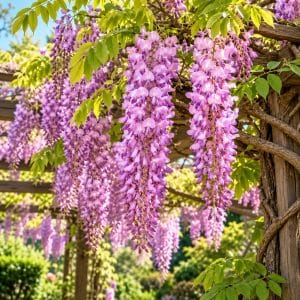
Chinese Wisteria – Wisteria sinensis, 4 seeds
€4.20 -

Jacaranda – 80 Seeds
€4.00 -

Bonsai Starter Gift Set – Acer Palmatum Red
€19.00 -

Spanish Fir “Abies Pinsapo Bonsai” 10 Seeds
€4.20 -

Sweetgum (Liquidambar) Bonsai – 60+ Seeds
€4.20 -

Bonsai Growing Kit Bamboo – Master the Art of Bonsai!
€17.90 -

Ginkgo biloba – 10 Seeds
€6.30 -

Bonsai Starter Gift Set – Jacaranda
€19.00 -

African Acacia Bonsai – 10/15 Seeds
€4.20 -

Bonsai Diospyros / Tako – 10 Seeds
€4.20 -

Flame Tree (Delonix regia) – 6 Seeds
€4.20 -

Katsura Bonsai – 200+ Seeds
€4.20 -

Temple Juniper Bonsai “Igelwacholder” – 100 Seeds
€4.20 -

Golden Larch – Pseudolarix amabilis, 20 seeds
€4.20 -

Lentisk – Mastic Tree Bonsai (Pistacia lentiscus) – 30 Seeds
€4.20 -

Nettle Tree / Celtis Bonsai – 15 Seeds
€4.20 -

Yellow Winter Jasmine – 30+ Seeds
€4.20 -

Bonsai di Betulla (Birch) Seeds 0.50 g
€3.30 -

Smoke Tree (Cotinus coggygria) – 70+ Seeds
€4.20 -

Beech Bonsai – 15 Seeds
€4.20 -

Tamarind Bonsai – 4 Seeds
€4.20 -

Guava Bonsai – 80+ Seeds
€4.20 -

Ficus Benjamina Bonsai – 1000 Seeds
€4.20 -

Bonsai Ficus “Ficus natalensis” – 30 Seeds
€4.20 -

Bonsai Pine (di Pino) Seeds – 0.30 g
€3.30 -

Himalayan Chir Pine Bonsai “Pinus roxburghii” 35 Seeds
€4.20
In this category you will mainly find bonsai seeds, plus a few ready-grown trees at the end of the category. But what exactly are bonsai trees, which are becoming more and more popular?
What is bonsai?
When we say bonsai, we do not really mean the tree itself, but rather the technique used to grow it – or, more accurately, the technique used to keep it small. So bonsai trees are not small by nature, but only as a result of human intervention. The whole process of keeping a tree small and giving it the shape we want is called the bonsai technique. Bonsai usually come from full-sized trees, shrubs or even climbing plants. In everyday language, however, the word bonsai is used for the trees themselves – beautiful miniatures of trees that grow large in nature.
In our shop you will find bonsai in many species and colours, from the classic green bonsai we are used to seeing to rare, beautiful bonsai with yellow, pink and purple foliage!
Are there really tiny bonsai trees in nature?
Yes! But what makes a bonsai is not the fact that the tree is small on its own – otherwise there would be entire forests of bonsai! We only find bonsai in nature in a few exceptional cases, where a tree is restricted by natural conditions and stays small – for example because there is no room for its roots to grow.
Where did bonsai originate?
Bonsai is widely associated with Japan, where it is an art form that uses growing techniques to produce small trees that look like full-sized trees. Similar techniques exist in other countries of the East. Sources say the art of bonsai in Japan actually began in China, where the technique is known as penzai. In the 6th century, Japanese officials and students visited China and brought back many ideas and goods – even plants in small containers! Over the years the technique spread and appears in many Japanese writings. Its origins go back more than a thousand years.
Today the term bonsai has become broader and is used to describe a wide range of plants and trees grown in small pots.
The aim of bonsai is to create a beautiful tree while the grower enjoys many hours of absorbing, rewarding work growing and shaping it. When the bonsai reaches the size we want to keep it at, it is moved into its final bonsai pot , which is usually designed to show off the bonsai in its finished form while also restricting the tree’s growth.
See above some of the most beautiful bonsai trees in the world:
Are bonsai for indoors or outdoors?
Most plants and trees grow outdoors in nature and are not suited to growing indoors, so most bonsai are meant for outdoor spaces. However, there are quite a few trees that can grow indoors – contact us at flowerstore.gr and we will tell you which trees are ideal for your space.
How long does a bonsai take to grow?
This is a question we are asked often. In general, trees need a few years before they start to look like little trees rather than a small plant with a thin trunk. The initial shape of a bonsai can start to show after 3 years , but its final form often takes decades to perfect. Within 3 years, though, you can have a lovely little tree with beautiful foliage to enjoy and work on. The speed also depends on the species: some trees grow very quickly, while others take their time. If you are impatient, choose one of the faster-growing trees, such as Paulownia. There are also bonsai techniques that can speed things up, so you can enjoy your tree without waiting too long.
How long do bonsai live?
A bonsai’s lifespan depends on the species and its environment. There are bonsai in the world today that are more than 1,000 years old.
What are the most popular bonsai at flowerstore.gr?
Some of our most popular bonsai are:
Red Japanese maple.
Smoke tree with purple foliage.
Wisteria with its purple blooms.
The beautiful azalea with its pink flowers
Bonsai for beginners
For beginners we recommend the bonsai growing kit , which includes everything you need to enter the world of bonsai and grow your own little tree. We stock two growing kits, which you will find in our bonsai category.
Most trees and plants, even climbers, can be grown into beautiful bonsai. Bonsai up to 1,000 years old can be seen in museums around the world. Choose from some of the most beautiful bonsai in the world in our category!
copyright: flowerstore.gr