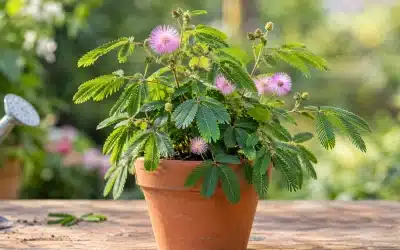
July, the seventh month of the year, and we are now well into the heart of summer, with heatwaves and hot winds taking centre stage!
July is essentially a harvest month, as all the seasonal fruit and vegetables are at their peak. Cherries, apricots, peaches and many other fruits are at their freshest and most delicious – and it is also the perfect time to make jams for the winter months. Tomatoes, cucumbers, peppers and aubergines fill our tables with tasty summer dishes.
July is the right month for the last plantings of late summer vegetables and for getting ready for autumn sowing.
High temperatures make it harder for plants to grow and flower, so they need daily care, with regular watering and feeding.
What to Plant in July
In July we usually enjoy the fruits of our labour from the previous months – while also planning ahead.
July is the right month to sow cucumbers, courgettes and green beans for a fresh crop in September! You can also sow tomatoes: either bush varieties for growing outdoors in autumn, or climbing varieties to grow in a greenhouse if autumn gets cold where you live.
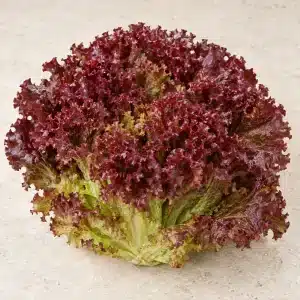
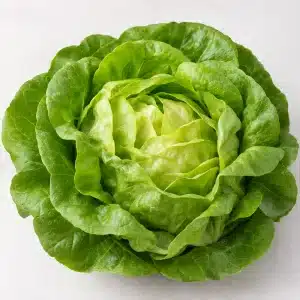
Ideally, get ready for autumn by sowing broccoli, cauliflower, lettuce and cabbage in small seed trays. Use a good-quality compost and keep the trays in the shade until the first leaves appear. When the seedlings reach 10–15 cm, transplant them into the garden.
You can also sow flowers and herbs that will brighten your space until winter, such as thyme, oregano, spearmint, mint, pansies, zinnias and daisies.
And finally, July’s greatest pleasure: relaxed evenings with friends on the terrace, serving treats from your own vegetable patch and watching them enjoy the flavour and freshness you have grown with so much care.
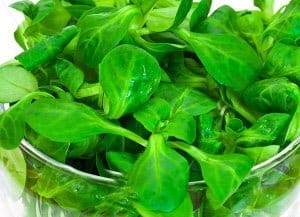
Gardening in July – Key Jobs
Watering – the first and most important job in the garden.
If you do not use an automatic irrigation system, take great care with how you water. It is best to water very early in the morning, ideally before sunrise, to avoid evaporation from the soil and to prevent moisture building up on the leaves – which, combined with sun, can encourage fungal diseases. Otherwise, water in the late afternoon or evening, just after sunset.
Always make sure the water soaks deep into the soil, so the roots hold the moisture they need until the next watering. But do not overdo it, as too much moisture can cause root rot and kill the plants. While vegetables such as tomatoes are flowering, water moderately, because excess moisture during flowering makes flowers drop and reduces yields.
Plant care
Throughout the summer, keep the garden tidy. Clear away dry branches and weeds, and remove dead stems and leaves from ornamental plants to improve air flow and growth.
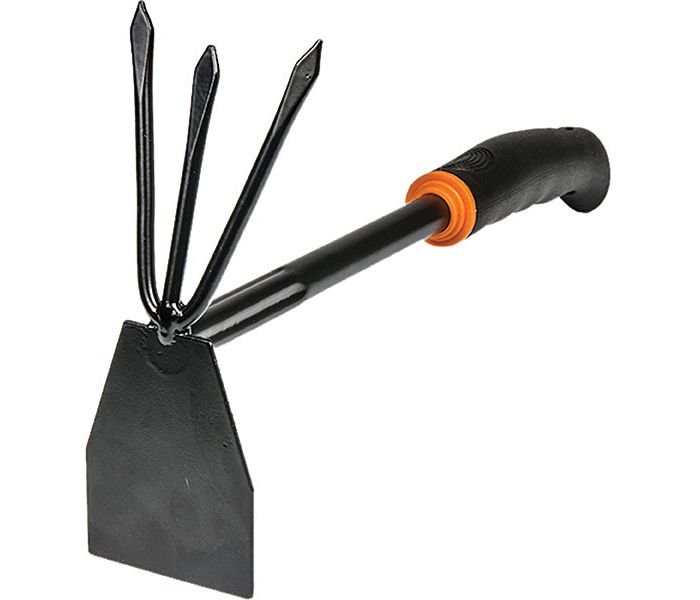
Hoe your vegetable beds regularly to remove weeds, so they do not compete with your crops for nutrients, water and light. Harvest vegetables regularly and remove any spoiled fruit, which can spread infection to healthy fruit and the whole plant.
Feed sparingly – just enough to make sure the garden has the nutrients the plants need. Be careful: too much fertiliser combined with heat can “burn” your plants.
Do not forget to use shade netting to protect plants from strong sun. A shade rating of 35–45% is ideal for keeping your vegetables safe.
Pests and diseases
Another problem caused by summer heat and drought is the spread of pathogens and insects that attack our plants.
The main fungal diseases at this time are downy mildew and powdery mildew. They can be prevented with regular use of fungicides such as copper and sulphur, or treated with approved fungicides available from your local agronomist.
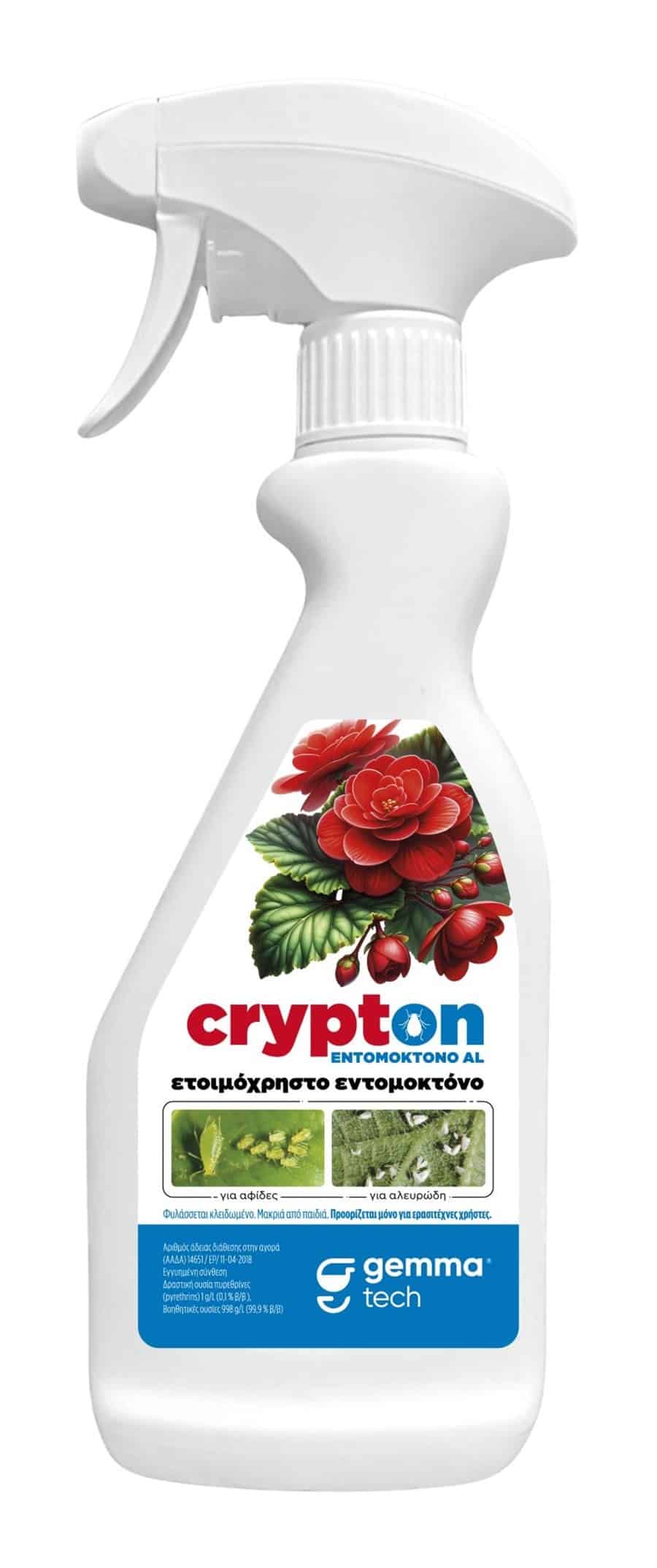
Insect attacks, however, cause more damage at this time of year. Tomatoes are often attacked by Tuta absoluta, the most serious tomato pest, which seriously damages fruit quality and can sometimes wipe out plants entirely. Watch out for spider mites too, one of the most common pests of vegetables. The tell-tale sign is fine, cobweb-like webbing on leaves and flowers; leaves turn yellow or brown with small speckles, and in severe cases they can dry out and drop. Other pests to look out for are aphids – tiny black or green dots usually found on the underside of tender leaves.
In every case, take the necessary steps to avoid conditions that favour pests and diseases, such as reducing humidity and improving air flow and light. In the early stages of an attack, use biological controls, such as plant oils or Bacillus thuringiensis. We recommend an integrated pest management approach rather than reaching straight for chemical products. If chemical treatments do become necessary, consult an agronomist, who can advise on safe use, correct dosage and the precautions needed.
Updated: 03/07/2024